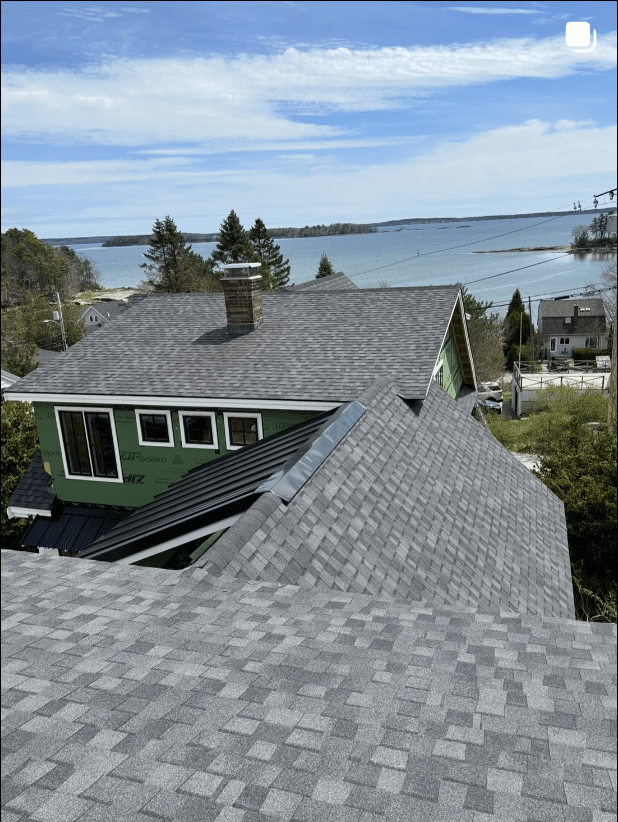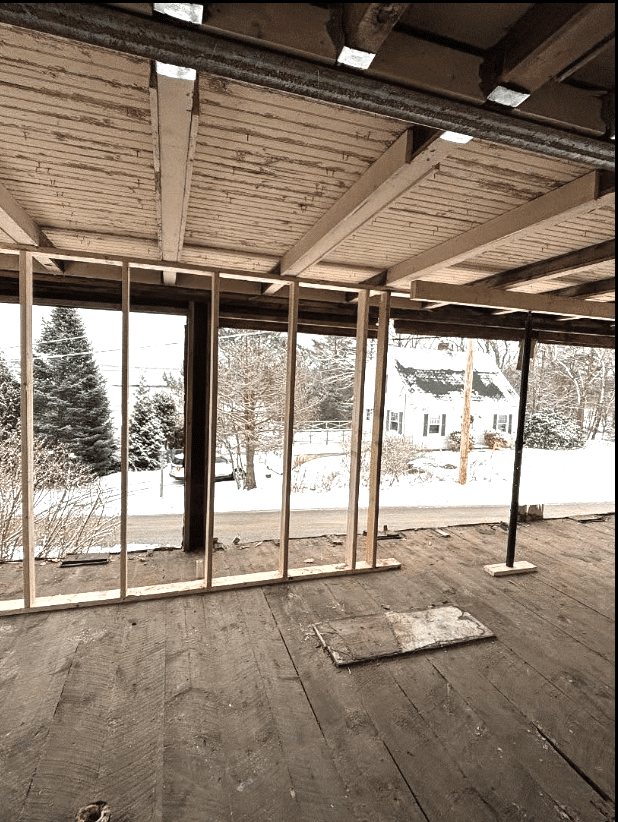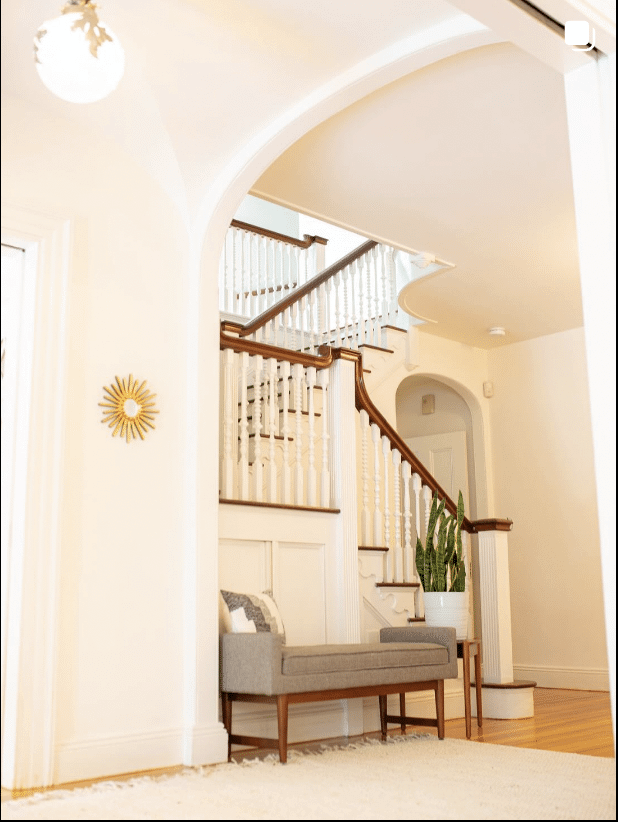


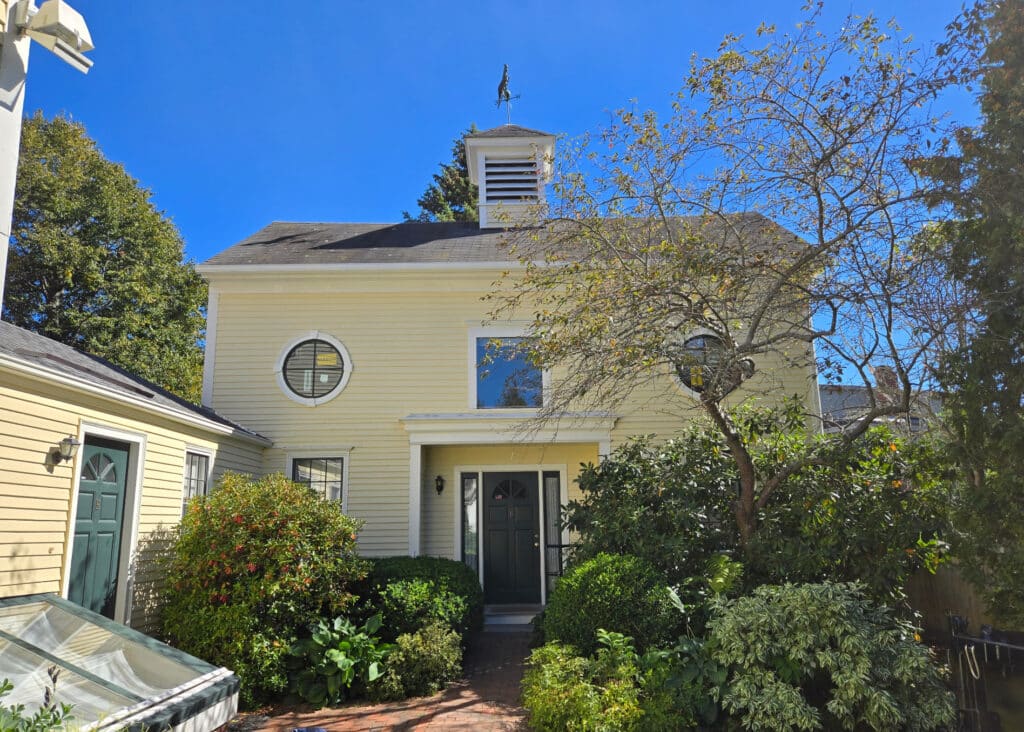
Whether it’s a shingled coastal cottage, a stately in-town Victorian, or a rural farmhouse built generations ago, these homes carry stories, craftsmanship, and architectural soul that modern construction simply can’t replicate. We love our Maine Historic home renovations and can’t wait to work with you on your next project to preserve your cherished home.
But renovating a Maine historic home — especially in Maine’s climate — requires more than a standard remodeling approach. It demands a delicate balance of preservation, structural expertise, and thoughtful modernization to ensure the home not only looks timeless, but performs beautifully for decades to come.
If you’re considering a historic renovation, this guide will help you understand the process, avoid common pitfalls, and make informed decisions that protect the character of your home.
Understanding the Heart of a Maine Historic Home
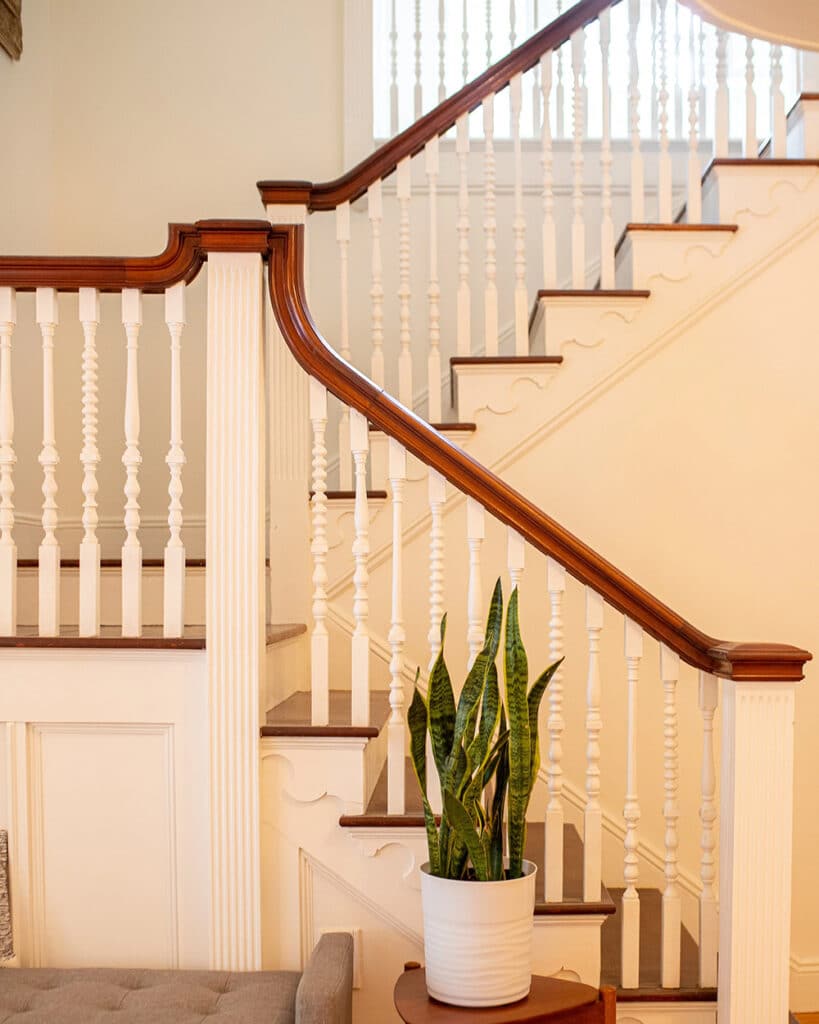
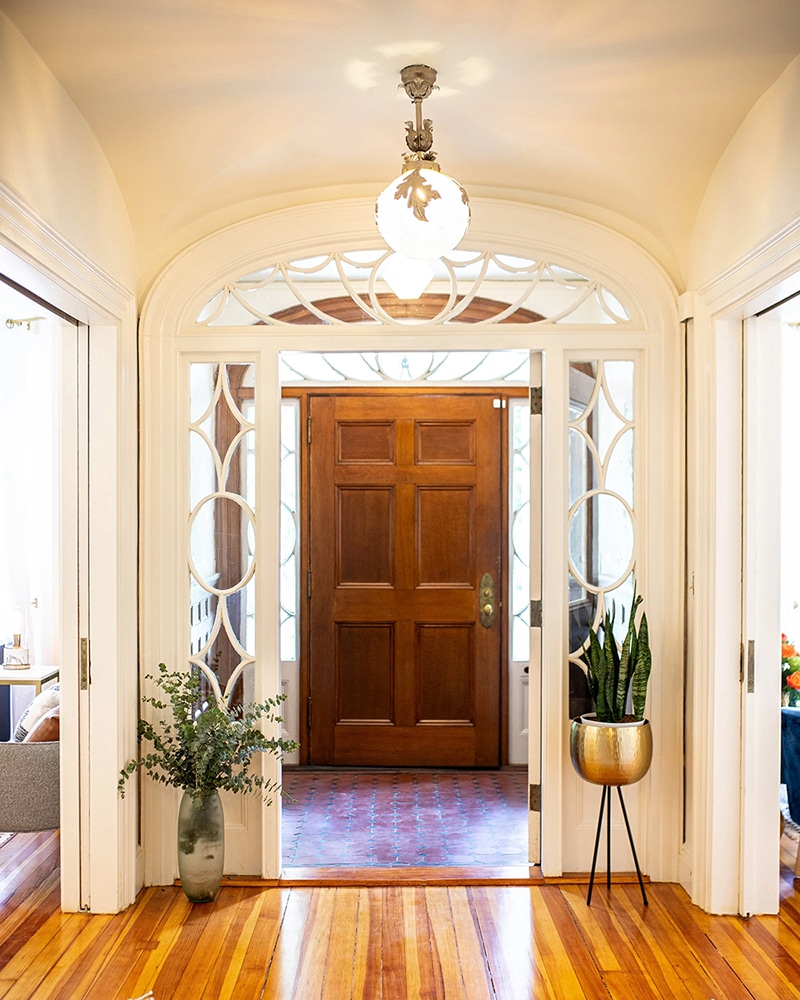
Maine Historic homes often showcase materials and building techniques that have stood the test of time: hand-cut beams, cedar shingles, wood clapboards, wide-plank floors, and hand-crafted trim. But those same features can hide age-related challenges.
What makes Maine historic homes unique?
- Original exterior materials like cedar shingles or clapboards may be weathered, brittle, or improperly repaired over the years.
- Structural surprises such as rot, sagging framing, or outdated sheathing can appear once walls or siding are opened.
- Outdated insulation and ventilation often contribute to drafts, ice dams, and energy inefficiency.
- Old wiring and plumbing systems can be unsafe or no longer up to code.
- Preservation and zoning requirements may restrict changes to the exterior appearance, trim details, or materials.
This is why historic renovations require contractors who understand both traditional craftsmanship and modern building science. You’re not just updating a home — you’re preserving a piece of history.
The Big Question: Restore, Replace, or Modernize?
Before beginning any home renovation, homeowners often face a series of decisions:
- Which historic features should be preserved?
- What can be repaired vs. what must be replaced?
- How can you improve efficiency without changing the look of the home?
The answer is rarely “all old” or “all new.” The most successful historic renovations carefully blend both.
Preserve What Gives the Home Its Identity
These might include:
- Original wood trim
- Classic window proportions
- Traditional shingle or clapboard patterns
- Decorative architectural elements
- Rooflines and gable details
These signature features are what keep the home recognizable and historically authentic.
Replace Where the Structure Needs Strength
Some components simply can’t be saved. Rot, water intrusion, or decades of patch repairs can make materials unsafe or unstable. In these cases, replacing the affected areas — while matching the original aesthetic — delivers long-term performance without compromising the look of the home.
Modernize Where It Improves Comfort, Efficiency & Durability
Modern upgrades behind the scenes are often invisible but essential:
- Moisture barriers and house wraps
- Insulation improvements
- Ventilation upgrades
- Durable roofing materials
- Updated flashing and water-shedding details
- High-performance underlayment systems
Done well, these enhancements bring the home up to today’s standards while keeping the appearance period-appropriate.
Key Elements of a Thoughtful Maine Historic Home Renovation
1. A Detailed Initial Assessment
Every Maine historic home renovation should begin with a professional, exploratory inspection. This is where issues like hidden rot, structural weaknesses, or water damage are identified. A thorough assessment typically includes:
- Inspecting siding, shingles, trim, and roofing
- Examining the building envelope for moisture issues
- Reviewing framing, beams, and load-bearing components
- Checking insulation, ventilation, and attic conditions
- Evaluating previous renovations or repairs
- Confirming preservation requirements or local codes
- This stage sets expectations early and helps prevent costly surprises.
2. Preserving (or Recreating) Historic Details
One of the biggest challenges — and joys — of historic restoration is maintaining the home’s original charm. This often requires:
- Custom millwork to match original trim profiles
- Matching existing siding widths, textures, or exposures
- Choosing period-appropriate roofing materials
- Rebuilding architectural features like cornices or gables
- Maintaining original proportions for windows and doors
- These details define the home’s personality, and replicating them accurately is essential to a true restoration.
3. Upgrading Exterior Systems for Maine’s Climate
Southern Maine’s coastal winds, cold winters, and moisture cycles are harsh on historic homes. A smart renovation strengthens the home against these conditions. Important upgrades include:
- Modern water-resistant house wraps
- Ice & water shield for roofing
- Improved flashing at rooflines, transitions, and windows
- Ventilated roof assemblies to prevent ice dams
- Durable siding materials chosen for longevity
- Confirming preservation requirements or local codes
- Proper drainage and rain management
These improvements dramatically extend the life of the home while maintaining its original appearance. Learn more about our roofing services!
4. Enhancing Energy Efficiency Without Losing Character
Maine Historic homes often lack:
- Adequate insulation
- Proper air barriers
- Efficient heating/cooling systems
Fortunately, many upgrades can be done subtly:
- Dense-pack insulation in walls
- Improved attic insulation and air sealing
- Weatherization around doors and windows
- Energy-efficient heating systems with hidden ductwork
- Modern materials behind existing cladding
These enhancements significantly improve comfort without altering the exterior charm.
5. Respecting Preservation & Local Guidelines
Some Maine historic homes fall within designated preservation areas or town guidelines. These may dictate:
- Approved siding materials
- Acceptable window styles
- Roofing materials
- Exterior color palettes
- Modifications allowed (or not allowed)
Working with a contractor experienced in historic projects helps ensure your plans comply with regulations while still meeting your vision.
When to Consider a Historic Home Renovation
You may be ready to renovate if you notice:
- Rotting or deteriorating siding
- Fading, warped, or cracked shingles
- Roof leaks or signs of aging
- Drafty rooms or insulation gaps
- Sagging structures or uneven floors
- Traces of moisture or mold
- Previous “quick fixes” failing
- Energy bills significantly higher than expected
Even if everything looks fine, a historic home over 80–100 years old often needs a proactive check to prevent larger issues.
The Value of Investing in a Historic Home Renovation
A well-executed home renovation does more than preserve a piece of Maine’s architectural heritage — it increases long-term value and performance. Benefits include:
- Increased property value
- Improved comfort and energy efficiency
- Extended lifespan of exterior materials
- Reduced maintenance costs
- Increased resilience against Maine’s climate
- Enhanced curb appeal and historical authenticity
- Preservation of irreplaceable architectural details
For many Maine homeowners, the goal isn’t just functional improvement — it’s honoring the home’s legacy while preparing it for future generations.
Bringing a Maine Historic Home Into the Future with Care
Renovating a Maine historic home is both an art and a science. With the right expertise, homeowners can enjoy the timeless beauty of original materials and craftsmanship — while benefiting from the durability, comfort, and efficiency of modern construction standards.
The best home renovations seamlessly blend preservation with performance, ensuring the home remains both historically authentic and ready for life in Maine’s demanding climate.